The Best Tools for Working With Bamboo in a Natural Garden
 Natural Foods
Bamboo is one of the few genuinely renewable materials you can grow in your own garden. Stakes, trellises, screens, edible shoots, mulch from its own leaf drop. It asks very little in return, but it is unusually hard on the tools you use to work with it, and understanding why saves both money and frustration.
Why bamboo destroys ordinary blades
Bamboo is a grass that stiffens itself with silica, the same mineral that makes sand abrasive. Concentrations run high enough that cutting a mature culm is closer to sawing fiberglass than sawing wood. A blade that comes through a season of pruning fruit trees can be visibly dull after one afternoon in a bamboo clump.
That single fact drives every recommendation worth making. Buy replaceable-blade tools rather than expensive fixed ones, because a saw you can re-blade for a few dollars will outlive a beautiful fixed-blade tool that becomes scrap the moment it goes dull.
The short list
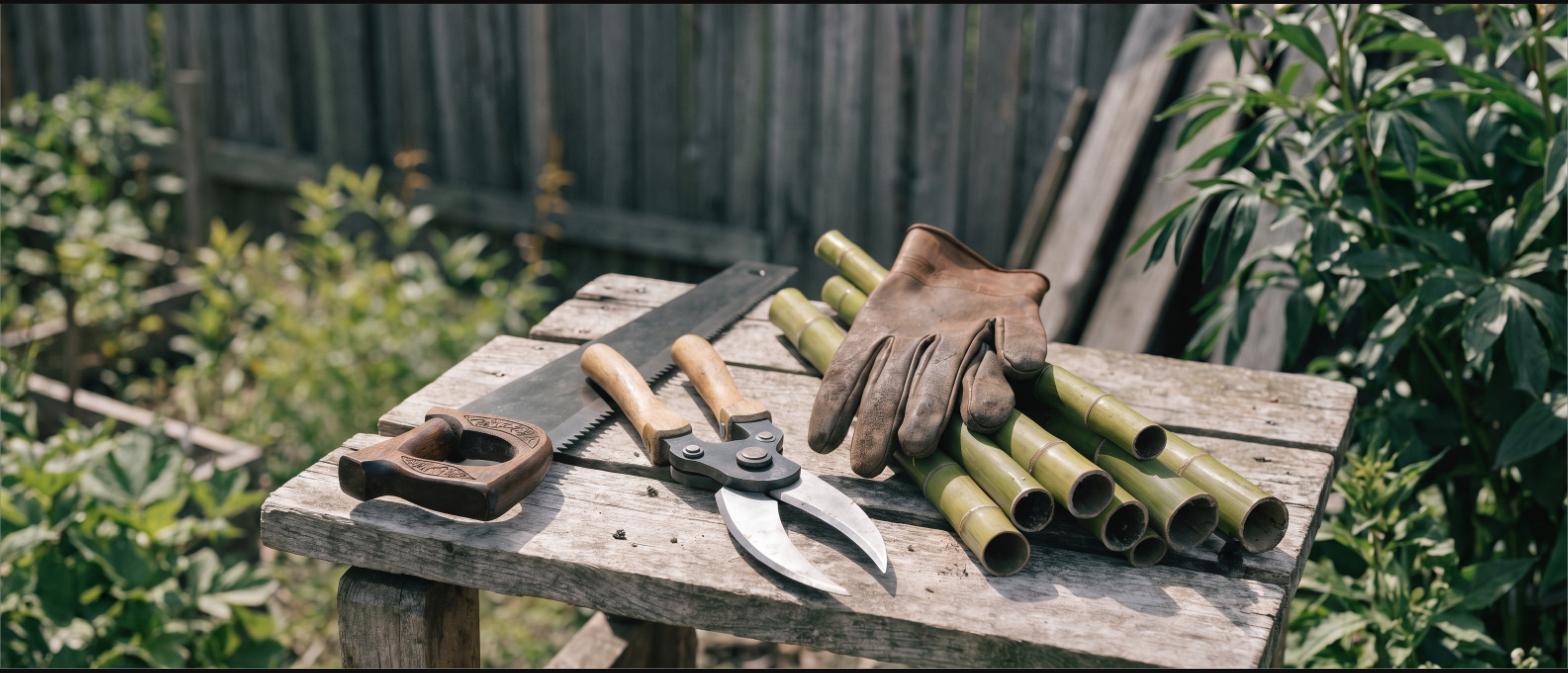
A sharp flat-bladed spade for planting, not a rounded digging shovel. A pruning saw for taking whole culms off at ground level, ideally a Japanese pull saw, which cuts on the pull stroke and keeps a thin blade in tension rather than buckling it. Bypass loppers, never anvil, for anything under an inch, because anvil jaws crush and shred a hollow culm instead of slicing it. And leather gloves, since dry culms splinter and the splinters are fine and silica-laden.
Water and feed count as tools
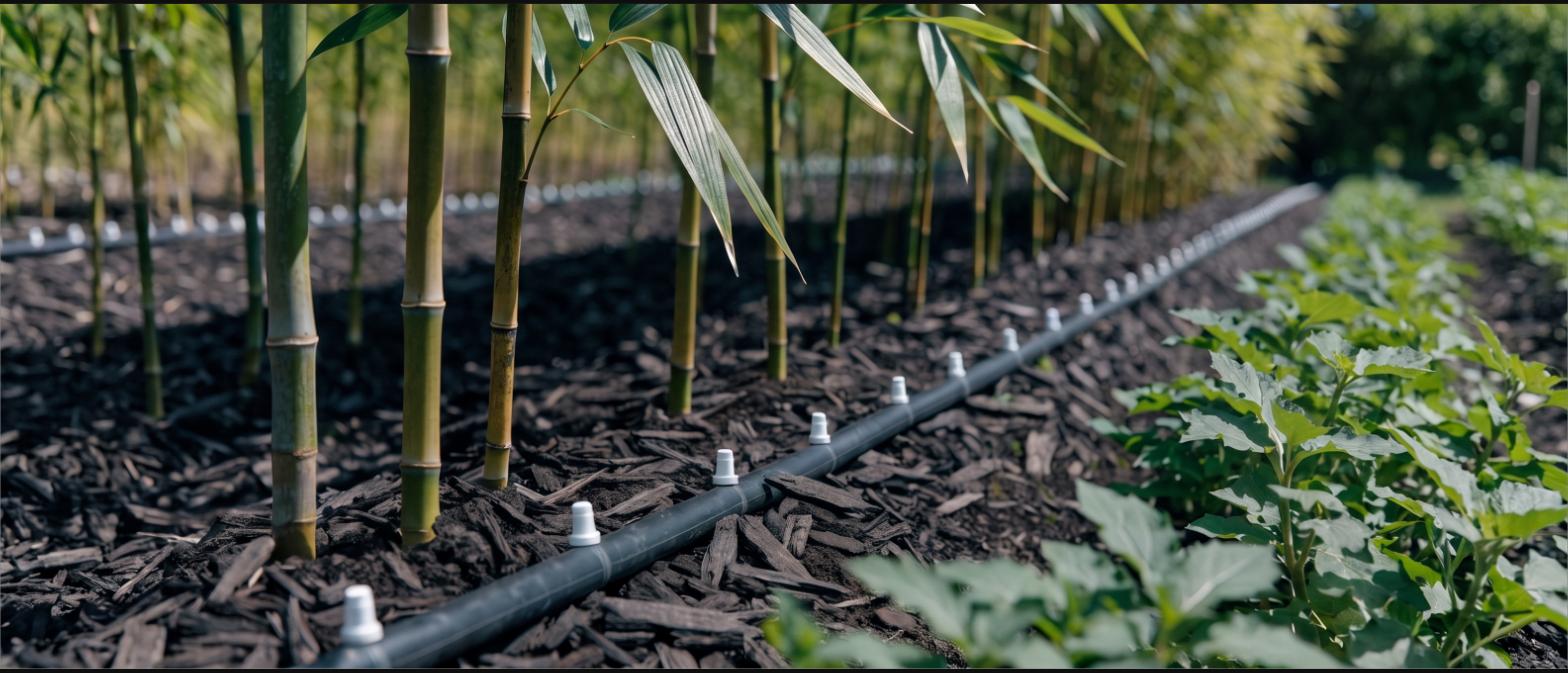
More plantings underperform from inconsistent watering in their first two seasons than from any other cause. Hand watering is inconsistent by nature. Inline pressure-compensating dripline on a timer, laid along the row, is the single most useful thing you can buy.
Feeding is simpler than the marketing suggests. Bamboo is a grass, so it wants nitrogen, and an ordinary high-nitrogen lawn fertilizer does the job without the premium of a bag with bamboo on the label. Skip anything with weed-and-feed herbicide in it, and leave the fallen leaves where they land. That litter returns silica and nutrients straight to the root zone, which is free fertilizer and the least work on this list.
Privacy Planted’s rundown of the best tools for working with bamboo goes further into dripline specs, feeding rates and blade care if you are setting a planting up properly.
Harvesting culms for the garden
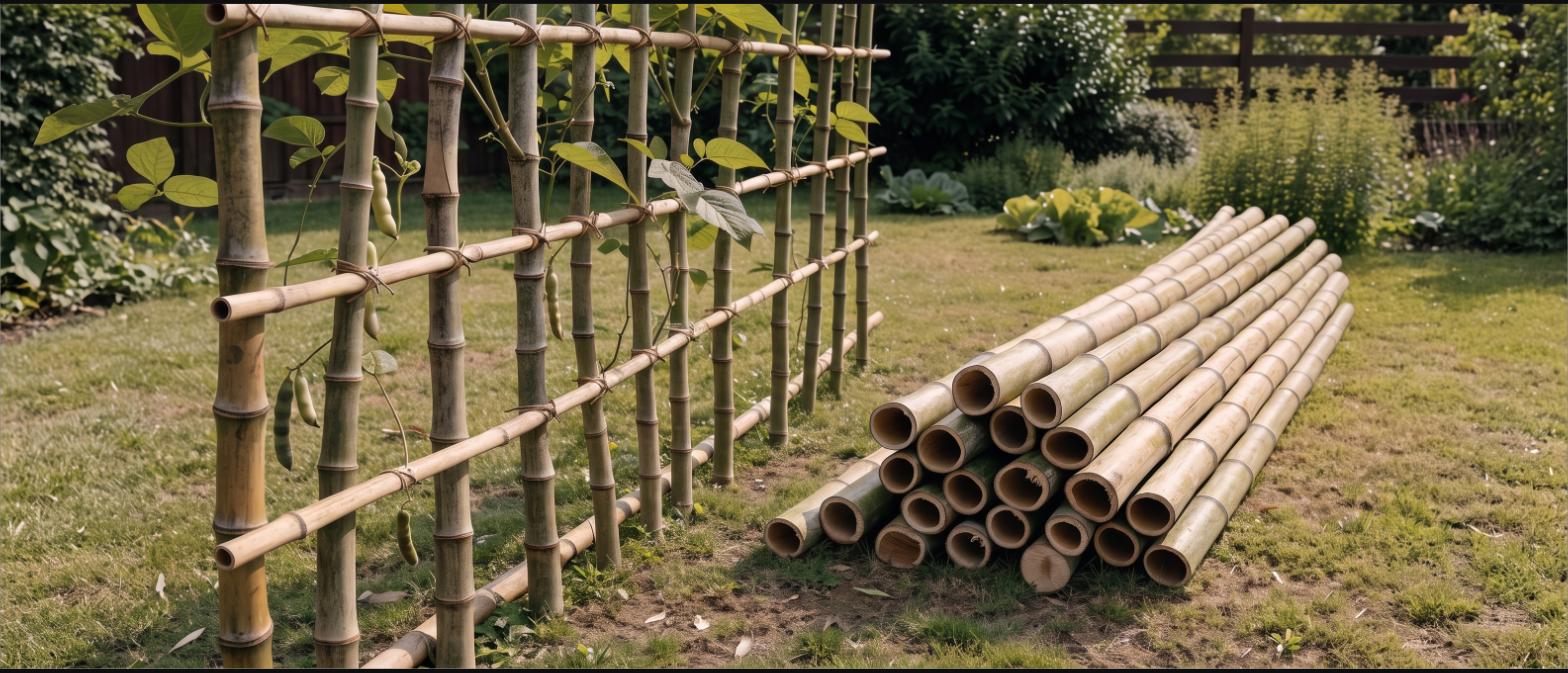
Harvest mature culms, three years or older. Younger canes have not laid down enough lignin and will shrink, split and go soft once dry. Cut just above a node so the cane seals itself rather than leaving an open tube that collects water, and use a fine-toothed pull saw for the cleanest end.
What you can skip
Rhizome pruners, root saws and rhizome barrier are all tools for containing running bamboo. If you planted a clumping species there is nothing to sever, and the money is better spent on a bigger plant. A chainsaw is the wrong tool entirely for standing culms, which are hollow and springy and will pinch the bar.
Three good hand tools, water on a timer and a bag of lawn feed will keep a bamboo planting productive for decades. That is a short shopping list for a material that renews itself every year.
 LemonGrassPower

 Culinary creativity has expanded honey’s role far beyond breakfast tables and desserts. Chefs and food producers are increasingly incorporating honey into savory applications, using it to balance acidity, spice, and salt. Honey glazes for meats, honey-infused dressings, and marinades highlight how this ingredient can add depth rather than just sweetness. The pairing of honey with heat has become particularly popular, as the natural sugars complement spicy flavors without overpowering them.
 As interest in clean-label ingredients and natural sweeteners continues to grow, honey is finding its way into beverages, snacks, sauces, and even fermented foods. Its versatility allows it to complement both traditional recipes and innovative culinary experiments. Whether drizzled over yogurt, baked into bread, or blended into something unexpected like black bee hot sauce, honey continues to prove its relevance in contemporary kitchens.