Why Honey Remains One of Nature’s Most Powerful Ingredients
 LemonGrassPower
Honey has been valued for thousands of years as both a natural sweetener and a functional food, prized across cultures for its flavor, versatility, and wellness-supporting qualities. Long before refined sugar became common, honey was used to enhance foods, preserve ingredients, and support overall health. Today, as consumers move toward more natural and minimally processed foods, honey is experiencing a renewed appreciation and is being incorporated into an ever-expanding range of modern recipes and products.
Health Benefits
One of the most celebrated benefits of honey lies in its natural composition. Honey contains antioxidants, trace minerals, enzymes, and antimicrobial properties that distinguish it from refined sweeteners. Many people turn to honey as a gentler alternative to sugar, as it provides sweetness with a more complex flavor profile and is often used in smaller quantities due to its intensity. Raw and minimally processed honeys are especially valued for retaining beneficial compounds that support digestion, immune function, and overall wellness when consumed as part of a balanced diet.

Beyond its internal benefits, honey is also widely recognized for its soothing properties. It has long been used in warm teas to calm sore throats, blended into foods to ease digestion, and included in wellness routines for its naturally preservative qualities. Its ability to retain moisture makes it useful not only in cooking but also in baked goods, where it enhances texture and shelf life while adding subtle floral or earthy notes depending on the variety.
Culinary Creativity
 Culinary creativity has expanded honey’s role far beyond breakfast tables and desserts. Chefs and food producers are increasingly incorporating honey into savory applications, using it to balance acidity, spice, and salt. Honey glazes for meats, honey-infused dressings, and marinades highlight how this ingredient can add depth rather than just sweetness. The pairing of honey with heat has become particularly popular, as the natural sugars complement spicy flavors without overpowering them.
This trend is evident in products like black bee hot sauce, which uses honey as a key ingredient to create a balanced, layered flavor. In this type of sauce, honey tempers the heat of chilies while enhancing complexity and mouthfeel. Rather than masking spice, the honey allows it to bloom gradually, resulting in a sauce that is bold yet approachable. This combination showcases how honey can bridge the gap between sweet and savory, making it a valuable ingredient in modern condiments and specialty foods.
Nature”s Ingredients
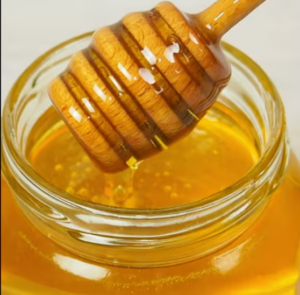 As interest in clean-label ingredients and natural sweeteners continues to grow, honey is finding its way into beverages, snacks, sauces, and even fermented foods. Its versatility allows it to complement both traditional recipes and innovative culinary experiments. Whether drizzled over yogurt, baked into bread, or blended into something unexpected like black bee hot sauce, honey continues to prove its relevance in contemporary kitchens.
The enduring appeal of honey lies in its ability to nourish, enhance, and connect food traditions across generations. Its health-supporting properties, combined with its adaptability in both classic and modern recipes, ensure that honey remains not just a pantry staple, but a timeless ingredient with a growing role in the future of food.
 On the other hand,
 Goose, in particular, is a standout among wild game birds. Its dark, rich meat is often compared to beef more than chicken or turkey, and it lends itself well to curing and smoking. One of the most intriguing preparations is goose pastrami—a twist on the traditional beef version. For those wondering


 We all want what is best for ourselves and our families. This is why many people are turning to the idea of “all natural” products. From foods to bug repellents, it is all available in a natural form. The truth is, nature gives us everything we need, not chemicals.
 Natural foods are typically considered organic. It is usually meant to imply that your foods have not been processed and that they contain no chemicals to help them grow or to keep pests away. Basically, the fertilizers that are used are mulches and other types of soil enrichment rather than a bag of powder or rocks that contains additives.
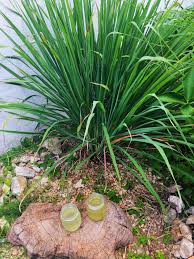 No matter where you are in the world, there are local produce options. Farmers and farms of all sizes can be found in every part of the US and beyond. Even if you live in a city, there are still going to be farms outside of the city limits as well as maybe produce stands inside of it.