2025

Growing Bamboo, Not As Scary, If You Understand This

Bamboo is often misunderstood in gardening and ecological circles—frequently labeled as invasive or unmanageable. However, this reputation stems largely from a lack of awareness about the different types of bamboo, particularly the critical distinction between running and clumping varieties. When chosen and managed wisely, bamboo can be an incredibly beneficial and sustainable plant, offering uses ranging from erosion control to food, building material, and habitat for wildlife.

Will It Take Over The Garden?

The primary concern people have with bamboo is its tendency to spread aggressively and take over gardens or even wild landscapes. This fear is mostly justified only when dealing with running bamboo. Running bamboo species (like Phyllostachys) spread via long, horizontal underground rhizomes that can quickly extend several feet—or even more—in a single growing season. Without proper containment, this type of bamboo can become a serious management issue, pushing up through sidewalks, fences, or neighboring properties. This is where the plant earns its reputation as invasive and difficult to control.

Clumping Bamboo Vs Running Bamboo
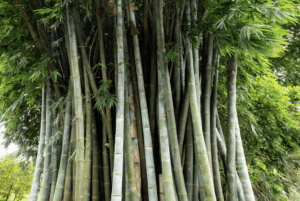
On the other hand, clumping bamboo vs running (from genera like Bambusa, Fargesia, or Chusquea) grows in a much more manageable fashion. It expands outward slowly in tight, circular clumps, with short rhizomes that grow just a few inches per year. This behavior makes clumping bamboo ideal for gardens, hedges, privacy screens, or even permaculture systems, especially when space and control are important. It stays where you plant it, requires far less maintenance, and does not spread uncontrollably.

Benefits Of Bamboo

The benefits of bamboo—particularly when choosing the right type—are numerous. Bamboo is one of the fastest-growing plants in the world, making it a renewable resource for poles, fencing, crafts, and even light construction. Certain species produce edible shoots that are rich in nutrients and can be harvested seasonally. Bamboo is also excellent for erosion control, especially on slopes or disturbed soils, as its dense root systems hold the earth together while allowing water to permeate the soil. Additionally, bamboo provides habitat and shelter for birds and small animals, while also functioning as a carbon sink due to its rapid biomass accumulation.
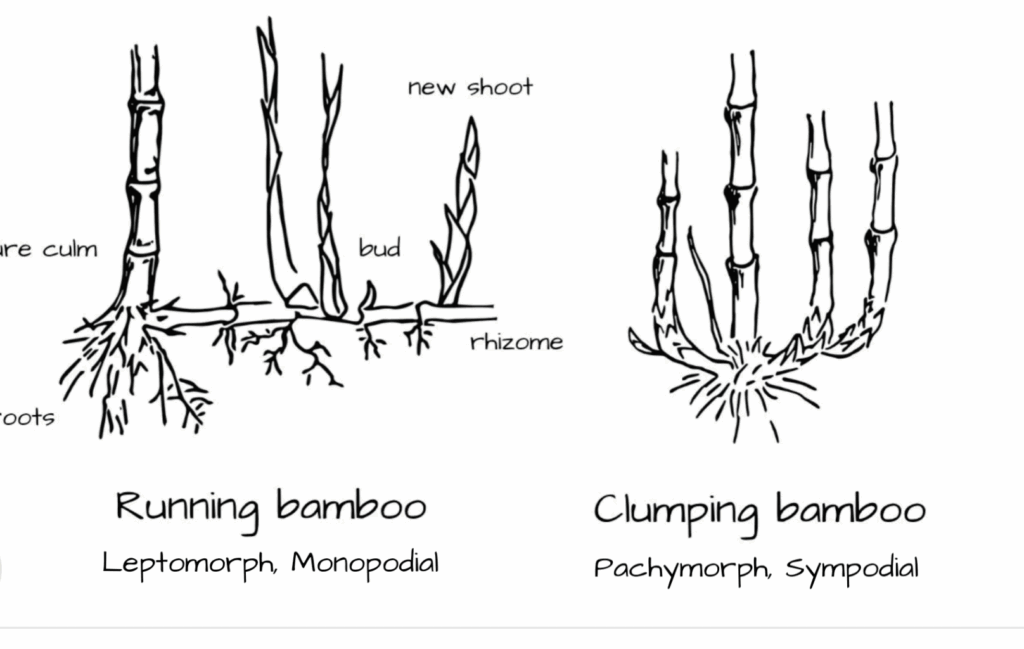
In the right context, bamboo can also enhance aesthetic and acoustic qualities in a landscape. Its tall, swaying culms create a tranquil, natural privacy barrier and its leaves create a soothing rustling sound in the wind. In sustainable landscaping, clumping bamboo plays a valuable role in creating windbreaks, microclimates, or edible forest garden layers.

Ultimately, bamboo is not inherently scary or dangerous—it’s all about choosing the right variety and understanding how it grows. Clumping bamboo offers all the ecological, aesthetic, and practical benefits without the maintenance nightmare of running species. If you’re considering bamboo, research your species carefully, plan your planting thoughtfully, and you’ll find that this remarkable plant can be a powerful ally in both garden and wild settings.
Incorporating Wild Game Into Natural Recipes

Wild game meats offer a rich, flavorful, and sustainable alternative to store-bought meats, bringing variety and nutrition to the kitchen. These natural meats are typically leaner, free from additives, and reflect the wild diets of the animals themselves. For adventurous home cooks and hunters alike, wild game opens the door to unique culinary experiences. Some of the most interesting wild game meats include venison (deer), elk, wild boar, rabbit, duck, and goose. Each has its own texture and taste profile, often more robust than their farm-raised counterparts, making them ideal for hearty, rustic dishes or creative gourmet fare.

Goose, Duck, Waterfowl

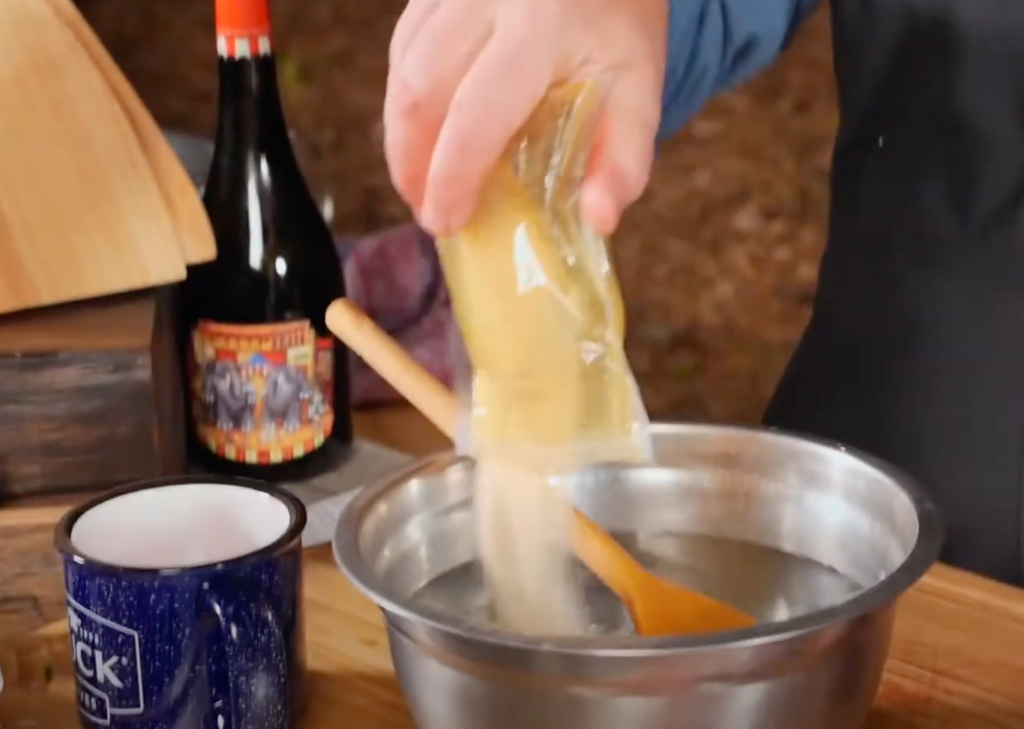
Goose, in particular, is a standout among wild game birds. Its dark, rich meat is often compared to beef more than chicken or turkey, and it lends itself well to curing and smoking. One of the most intriguing preparations is goose pastrami—a twist on the traditional beef version. For those wondering how to make goose pastrami, its not as intimidating as it may sound. Making goose pastrami involves a few key steps: brining, seasoning, and smoking. First, the breasts are soaked in a brine for several days. A typical brine might include water, kosher salt, sugar, garlic, crushed juniper berries, coriander, and black peppercorns, with a bit of pink curing salt to preserve color and flavor. After brining, the meat is rinsed, patted dry, and coated in a spice rub—usually heavy on cracked black pepper and coriander. Then, it’s smoked low and slow until it reaches a safe internal temperature, often around 150°F. Once cooled and sliced thin, goose pastrami is incredibly flavorful and makes an excellent sandwich meat or charcuterie board feature.
Popular Venison Choices

Venison is perhaps the most popular wild game meat, and it’s remarkably versatile. Because it’s lean, cooking methods that preserve moisture—like braising, marinating, or serving medium-rare—are key. Venison backstrap (loin) is a prized cut and can be grilled or seared simply with garlic, rosemary, and butter. Ground venison can be used in chili, meatballs, or tacos, offering a gamey twist on comfort foods. Elk, similar to venison but often milder in flavor, works well in steaks, roasts, and jerky, and it’s especially good when slow-cooked with red wine, onions, and root vegetables.

Wild Boar Options

Wild boar adds a deeper flavor compared to domestic pork, with slightly sweeter and nuttier notes. It’s fantastic in sausages, stews, and ragùs. Rabbit is another excellent wild game option, with a taste often described as a cross between chicken and turkey. It’s commonly stewed or braised—try a rabbit and mushroom fricassée or classic rabbit cacciatore. Wild duck, especially mallard or teal, offers a bold, earthy flavor perfect for pan-searing and pairing with fruit glazes or reduction sauces.

Cooking wild game can be both a sustainable lifestyle choice and a culinary adventure. By using whole animals or less common cuts, home chefs can get creative while respecting the harvest. Whether you’re smoking goose pastrami, slow-roasting venison, or simmering wild boar, these natural meats provide rich flavors and a deep connection to nature and tradition that store-bought meat simply can’t match.

Natural Materials In The Home

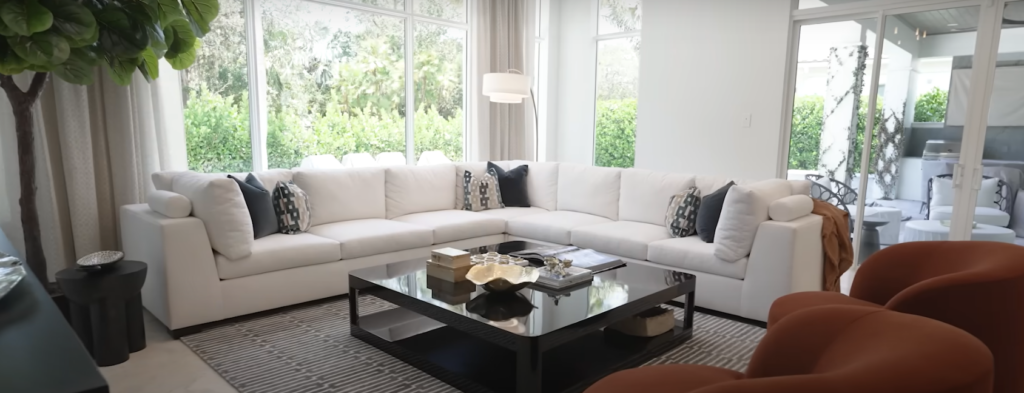
As people increasingly seek to align their living spaces with a more natural, organic lifestyle, there has been a noticeable shift toward incorporating earthy, sustainable materials and design elements that evoke a sense of harmony with nature. This trend reflects a growing desire to create homes that feel connected to the outdoors, offer a sense of tranquility, and promote overall well-being. The key to achieving this natural living aesthetic is through the use of organic materials, biophilic design, and a color palette that mirrors the soothing tones of nature. One of the most exciting developments in this movement is the growing popularity of dopamine color, which adds vibrancy and emotional warmth to spaces while complementing the organic aesthetic.

Natural Materials

In terms of materials, natural wood remains a central element in creating an organic, nature-inspired environment. Whether used for furniture, flooring, or wall paneling, wood’s warmth and texture bring a sense of grounding to interiors. The move towards sustainable materials has also led to the rise of reclaimed wood, bamboo, cork, and other eco-friendly alternatives that offer the same natural appeal while being environmentally conscious. Stone, clay, and terracotta are also gaining traction as key materials for countertops, tiles, and decorative elements, contributing to the earthy, tactile feel of the space. These materials are not only durable and sustainable but also help to maintain a connection with the natural world by bringing elements of the earth indoors.

Designs Modifications

Another important aspect of organic living spaces is biophilic design, which focuses on incorporating elements of nature into the built environment. Large windows, open floor plans, and indoor plants are essential for this style. Expansive windows allow natural light to flood the space and provide unobstructed views of outdoor greenery, which can positively affect mood and well-being. Indoor plants, ranging from potted houseplants to vertical gardens, serve not only as natural decor but also improve air quality and create a calming atmosphere. Living walls, terrariums, and plant shelves are some creative ways to infuse greenery into interiors, further reinforcing the connection to the natural world.

Upcoming Trends

One of the newest trends in interior design is the incorporation of dopamine color—vibrant, uplifting hues that promote happiness and stimulate positive emotions. While the natural aesthetic traditionally leaned toward muted tones like soft greens, earthy browns, and creamy whites, dopamine colors introduce playful pops of color into the space. These colors, such as bright yellows, energetic oranges, and vivid blues, are used strategically to energize rooms and enhance the mood of the inhabitants. For example, a mustard yellow accent wall or a coral-colored armchair can introduce warmth and joy without overwhelming the organic elements. The use of dopamine colors in moderation helps create a dynamic yet calming atmosphere, balancing the natural tones with uplifting accents that support a feel-good, positive living environment.

Sustainable design and an organic lifestyle also emphasize minimizing waste and reducing consumption. This has led to a rise in upcycled furniture, artisanal pieces, and custom-made items that are crafted with care and designed to last. A focus on quality over quantity results in a home that is not only aesthetically pleasing but also sustainable and mindful of its impact on the environment.

Overall, the updated living spaces that cater to a more natural, organic lifestyle emphasize sustainable materials, biophilic design, and the emotional impact of color. By combining the timeless beauty of nature-inspired materials with the modern vibrancy of dopamine color, homeowners can create spaces that not only look beautiful but also promote well-being and a deeper connection to the natural world. This trend reflects a broader cultural shift toward mindfulness, sustainability, and creating environments that nurture both the body and the mind.